
 Photoshop
 Maya
Maya ZBrush
 Houdini
 Substance Painter
 Blender
 Unreal Engine
 Arnold
 Nuke
Nuke KeyShot
 V-Ray
V-Ray Marvelous Designer
 Marmoset Toolbag
 Mari
Mari Substance Designer
 3ds Max
 Redshift
 3DCoat
 After Effects
 Faceform Wrap
 Lightroom
 OctaneRender
 SpeedTree
 Daz 3D
 Modo
Modo Fusion
 RealityCapture
 Agisoft Metashape
 Gaea
Gaea Cinema 4D
 Gravity Sketch
 Premiere
 Procreate
 Clip Studio Paint
 SketchUp
 SketchBook
 Katana
 Natron
 Mudbox
 Quixel Bridge
 Quixel Megascans
 Quixel Mixer
 Substance 3D Modeler
 World Creator
 Yeti
Yeti Ziva VFX
 Mixamo
 Adobe Medium
 Quixel DDO
 xNormal
 Meshmixer
 Storyboard Pro
 DaVinci Resolve
 TreeIt
 World Machine
 Gaffer
 Corel Painter
 SynthEyes
 Krita
Krita Massive
 Materialize
 Unity
Unity Ornatrix
 PreForm
 Moi 3D
 animBot
 QuickTime
 ReCap
ReCap







8 Lessons
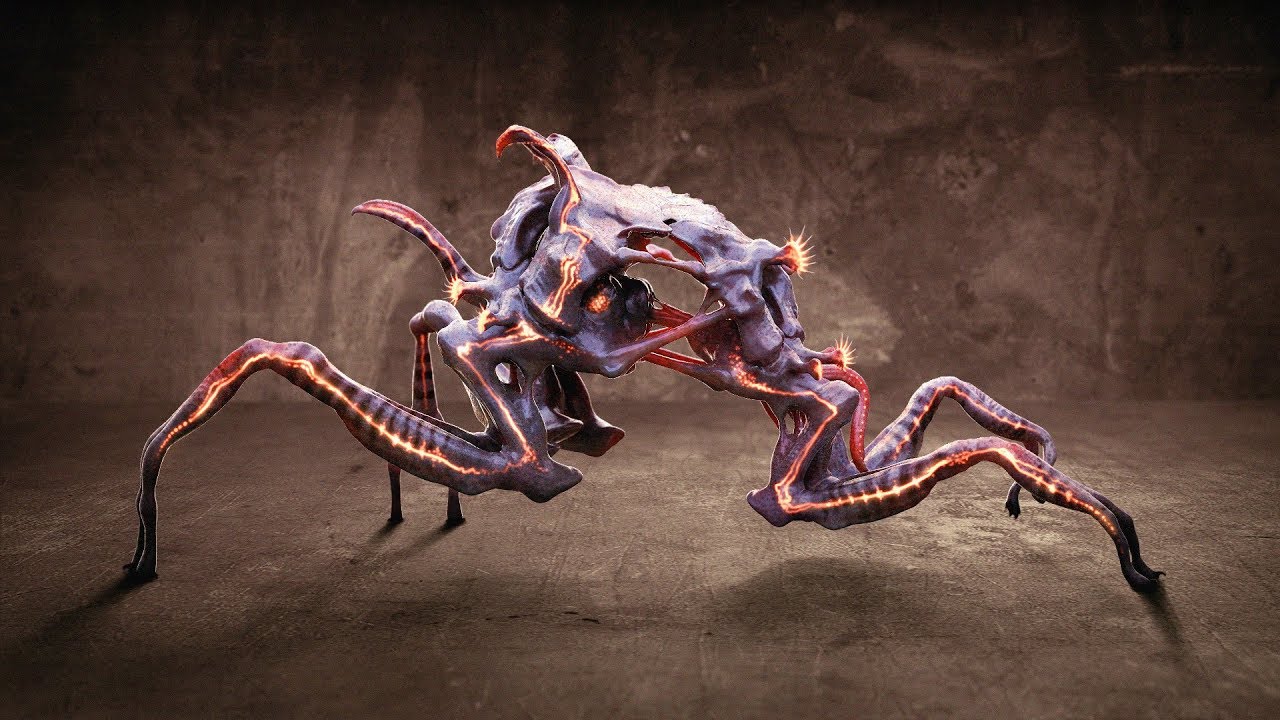
In this lesson, David goes over his approach to creature design. Pushing proportions to their limits, while taking inspiration from mythology and real animals, creates tension and visual interest within creature designs. This approach allows for creative flexibility throughout the process, ensuring that the final sculpture feels spontaneous and alive rather than mechanical or over-engineered.
Duration: 5m

In this lesson, Meng introduces essential tools that will be used throughout the workshop, including flat wooden tools, loop tools, brushes, and calipers. Crucially, he also emphasizes that artists should rely on their hands to work the clay for as long as possible before turning to these tools.
Duration: 4m 49s

This lesson covers the first step in creating a successful sculpture: armature construction. Creating an armature gives the sculpture stability, and helps to establish major forms. Blocking out the large forms ensures that the overall design is properly translated from 2D to 3D. It is important to remain patient throughout these awkward early stages, and to stay focused on the overall form, rather than moving prematurely into detailing.
Duration: 17m 36s

This lesson reveals that successful creature sculpture requires more than technical skill in forming anatomy; it also requires thoughtful decision-making. By building up the surface, constantly evaluating the sculpture from all angles, and looking at its silhouette, artists can achieve a more powerful result than by jumping straight into the details. Establishing a flexible foundation makes it easier to achieve realism later, and to give the sculpture attitude and personality.
Duration: 20m 8s

This lesson demonstrates that character sculpting requires a balance of technical craftsmanship and artistic spontaneity. By constantly rotating the work, refining it, and drawing inspiration from other art, great sculpture emerges from a mix of technical and artistic choices. Ultimately, it is important to know when to clean up surfaces and when to preserve raw, gestural qualities that make the piece feel alive rather than overworked.
Duration: 43m 4s

In this lesson, David focuses on refining and detailing the sculpture. A key takeaway is the importance of taking breaks to maintain a proper perspective on your work, since prolonged focus can blind you to obvious flaws. Through years of practice and critique, artists can develop the consistency needed to reliably produce high-quality sculptures.
Duration: 39m 24s

In this lesson, Meng applies the final touches to the sculpture. Smoothing the clay using alcohol, cheesecloth, and a butane torch removes obvious rake marks and gives the sculpture a cleaner form. This smooth surface then makes it easier to carve finer skin details, such as wrinkles and textural impurities.
Duration: 39m 49s

In this lesson, David explains that his unique artistic voice was developed by examining historical influences and contemporary work. His journey demonstrates that persistence, patience, and learning from historical masters are essential to artistic growth. The biggest takeaway from this lesson is to remain patient and not become discouraged, regardless of when you begin.
Duration: 9m 12s

Skills Covered
Who’s this Workshop for?
This workshop is designed for intermediate to advanced sculptors and concept artists working in the entertainment industry. Artists familiar with foundational sculpting knowledge who want to elevate their character design skills will find David Meng's approach valuable.
Aspiring creature designers, art students, and traditional sculptors transitioning to film will also benefit from this workshop. They'll gain insider knowledge of the professional creation processes and learn industry-standard techniques for developing compelling character personalities through physical sculpture.
Learning Outcomes
By completing this workshop, artists will gain knowledge of the professional process for creating character busts, from initial concept through completion.
Key skills include:
- How to develop a unique personality and expression in traditional creature design concepts.
- How to construct the base armature that supports character bust sculptures.
- How to work efficiently with oil-based clay.
- How to approach unconventional interpretations of classic creature archetypes and design elements.
- How to maintain consistent character expression throughout the entire sculpting process.
- How to apply industry-standard workflows for physical clay designs in production.


