
 Photoshop
 Maya
Maya ZBrush
 Houdini
 Substance Painter
 Blender
 Nuke
Nuke Arnold
 KeyShot
 V-Ray
V-Ray Substance Designer
 Mari
Mari Marvelous Designer
 Marmoset Toolbag
 3ds Max
 3DCoat
 Redshift
 After Effects
 Faceform Wrap
 Lightroom
 OctaneRender
 SpeedTree
 Daz 3D
 Agisoft Metashape
 Fusion
 Modo
Modo RealityCapture
 Gaea
Gaea Cinema 4D
 Gravity Sketch
 Premiere
 Procreate
 Substance 3D Modeler
 Katana
 Mudbox
 Krita
Krita World Creator
 Yeti
Yeti Ziva VFX
 SketchBook
 Quixel DDO
 Mixamo
 Natron
 Quixel Bridge
 Quixel Megascans
 Adobe Medium
 Quixel Mixer
 SynthEyes
 Clip Studio Paint
 SketchUp
 Unity
Unity Gaffer
 Massive
 Materialize
 Ornatrix
 PreForm
 Corel Painter
 Moi 3D
 QuickTime
 Storyboard Pro
 TreeIt
 animBot
 ReCap
ReCap Meshmixer
 DaVinci Resolve
 World Machine
 xNormal


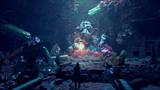




Familiarize yourself with creating cinematics in Unreal Engine 5. This 6-hour workshop is designed for everyone from 3D artists and 2D artists to production managers and filmmakers who want to understand how UE5 works in cinematic production. 3D Generalist, Kosuke Iwasaki, covers everything from art theory, the fundamentals of Unreal Engine, best practices when it comes to data management, through to blocking scenes, kitbashing, working with the Material System, working with characters, creating Niagara effects, working with the Sequencer, lighting, and post-processing.
Artists can expect to learn how to create a cinematic shot while gaining a solid understanding of the best practices that professionals use when working in Unreal Engine to get up and running quickly and efficiently. Project files provided with this workshop include “KI Visualizer,” a blueprint to help with checking your composition and values; “KI SimpleBlockingShape,” simple shapes to help artists with the layout and blockout of a scene; and “WinterGirl,” a copyright-free rigged character that was utilized in this workshop.
12 Lessons
Kosuke begins this Unreal Engine workshop by discussing that great art requires more than technical proficiency with software or good assets. By prioritizing and balancing key elements like light and composition, color theory, storytelling, and fine detail, artists can systematically develop professional-quality work.
Duration: 26m 44s

In this lesson, Kosuke runs through some Unreal Engine fundamentals including how to get started, the theory behind the software, and its technical abilities. Highlights include Unreal Engine's native Nanite automatic optimization system and the Lumen’s real-time lighting system, which are just some of the reasons why the software is so powerful. Kosuke covers the basics, like mastering the Epic Games launcher, marketplace downloads, project version compatibility and content management, so artists can easily get started with Unreal Engine.
Duration: 32m 21s

Continuing to look at Unreal Engine fundamentals, Kosuke takes us into a project to go over more basics, including navigation, view port settings, content browser management, and more. Understanding how assets work and are organized in your scene is also covered, so that you can manage the truly massive amount of assets that Unreal Engine can handle. Versioning is also covered, along with how to update and store assets.
Duration: 33m 45s

In this lesson, Kosuke enters the blocking phase, one of the most valuable stages of scene creation, as it establishes the compositional and lighting foundation that the rest of the project will be based on. By locking in those initial elements and working with simple geometry, Kosuke doesn't lose time fussing over unnecessary details. Using the fundamental rules of art composition, and taking advantage of techniques like placing shadow-casting objects, he can effectively stage the primary shot for this scene.
Duration: 31m 33s

In this lesson, Kosuke introduces the artist to the Quixel Megascans library, a massive collection of photorealistic 3D assets that can be used in Unreal Engine for free. Digging though, he collects assets that will fit his vision for the scene, explains some key settings for downloading and laying them out into an asset zoo level for easy access. Next, Kosuke shares his tricks and techniques to achieve photoreal results while maintaining performance.
Duration: 25m 16s

Moving to the inorganic parts of the scene, Kosuke uses Kitbash 3D; another asset library with a focus on elements that can be combined together in an immense number of ways. Using the library's Cargo feature, he imports assets from themed sections of the library directly into his Unreal Engine scene. Through thoughtful design choices, technical understanding of Lumen’s rendering needs and pre-made products, Kosuke demonstrates how to achieve professional results while working with complex, asset-heavy scenes.
Duration: 30m 15s

In this lesson, Kosuke introduces us to basic principles surrounding materials. He teaches that realistic materials are not based on a single uniform value in a parameter, but in creating detailed variations through masking techniques. This can be in the form of texture-based painting, geometry-based application directly in the engine, or polygon-grouping methods per asset, all of which ultimately serve to blend different material properties together for natural results.
Duration: 19m 37s

Picking up from the previous lesson, Kosuke implements his teachings into Unreal Engine, explaining the different material categories and sub categories that create the foundation for all material work in the engine. Mastering the concepts and specific nodes in this lesson, from basic texture application and math operations to the hierarchy of parent-child material relationships, is essential before moving to more advanced material techniques.
Duration: 27m 15s

In this lesson, Kosuke examines the Megascans assets and textures in his scene, and aims to unify the look and feel of them all using techniques from previous lessons, so that the whole scene feels natural and lived in. In this instance, he creates an advanced snow material function, combining procedural methods (normal direction, roughness breakup, height blending) with manual control (vertex painting) to get the desired look.
Duration: 29m 46s

This lesson focuses on animation workflows in Unreal Engine 5. Here, Kosuke teaches us about the sequencer, the native timeline from which we can animate in the engine, and the relationship between animation, the skeleton and the skeletal mesh when it comes to animating character actors. He also takes a look at different skeletal rigs, and how to attach props to the character. With some camera adjustment and environment refinement, Kosuke starts to pull this cinematic shot together.
Duration: 30m 1s

In the lesson, Kosuke shows us how we can integrate Niagara particle systems and cloth simulation within Unreal Engine to make a scene feel more life-like. By combining multiple particle systems with randomized parameters, varying speeds, sizes, and behaviors, he transforms a static scene into a dynamic, believable winter environment with a character whose clothing reacts to the scene appropriately.
Duration: 37m 36s

In this final lesson, Kosuke showcases some of the finishing touches you can apply to a scene to really push it to the next level. By combining volumetric lighting, carefully crafted lens effects, optimized render settings, some careful faking techniques, and proper particle system management, the instructor shows how to create visually stunning results entirely within the Unreal Engine, ready for realtime applications.
Duration: 40m 14s

Primary tools
For this workshop you’ll need:

* Note that these programs and materials will not be supplied with the course.
Project Files
Downloading the project files will give you access to Kosuke's assets you can use to recreate and learn from the lessons shown in this workshop, including:
- 3D character assets - Including the ready-to-work-with "Winter Girl" character and her animations, textures, Unreal Engine materials, and a full rig
- Unreal Engine starter content & more - Unreal's library of assets to get you started building scenes, as well as Kosuke's essential assets
- Pre-built scenes & maps - Several level files for you to check out, including starter maps, alley scenes, and Kosuke's unique starter map
- Supporting resources - HDRI lighting, particle systems, cinematics, and more for you to work with, study from, and enhance your own projects with
Skills Covered
Who’s this Workshop for?
This workshop is geared toward 3D artists and filmmakers interested in cinematics in Unreal Engine 5. Whether you're transitioning from other 3D software or new to real-time rendering, the comprehensive skills in these lessons provide the foundation needed for professional cinematic production.
Production managers, directors, and creative professionals will also benefit significantly from understanding UE5's cinematic pipeline. However, Kosuke Iwasaki’s workshop includes Unreal Engine basics and explanations of technical aspects of UE5 while focusing on practical applications of skills. This makes this workshop accessible to non-technical roles who need to understand modern real-time production workflows to communicate effectively with technical teams.
Learning Outcomes
By completing this workshop, artists will be able to create professional cinematics using Unreal Engine 5 and complete pipeline work for different real-time elements.
Key skills include:
- How to establish efficient file management workflows and best practices for cinematic projects.
- How to block scenes effectively using composition theory and professional layout techniques.
- How to utilize kitbashing methods for rapid environment creation, keeping asset optimization in mind.
- How to work with Unreal Engine's material and shader system for creating realistic textures.
- How to integrate and animate rigged characters within cinematic sequences effectively.
- How to create dynamic visual effects using Niagara particle systems for cinematics.
- How to use Sequencer for professional animation timing and camera movement control.
- How to implement advanced lighting techniques and post-processing for cinematic quality output.


