
 Photoshop
 Maya
Maya ZBrush
 Houdini
 Substance Painter
 Blender
 Unreal Engine
 Arnold
 Nuke
Nuke KeyShot
 V-Ray
V-Ray Marmoset Toolbag
 Mari
Mari Marvelous Designer
 Substance Designer
 3ds Max
 3DCoat
 Redshift
 Faceform Wrap
 Lightroom
 After Effects
 OctaneRender
 SpeedTree
 Daz 3D
 Agisoft Metashape
 Fusion
 Modo
Modo RealityCapture
 Gaea
Gaea Cinema 4D
 Gravity Sketch
 Premiere
 Procreate
 Clip Studio Paint
 SketchUp
 SketchBook
 Katana
 Natron
 Mudbox
 Quixel Bridge
 Quixel Megascans
 Quixel Mixer
 Substance 3D Modeler
 World Creator
 Yeti
Yeti Ziva VFX
 Mixamo
 Adobe Medium
 Quixel DDO
 xNormal
 Meshmixer
 Storyboard Pro
 DaVinci Resolve
 TreeIt
 World Machine
 Gaffer
 Corel Painter
 SynthEyes
 Krita
Krita Massive
 Materialize
 Unity
Unity Ornatrix
 PreForm
 Moi 3D
 animBot
 QuickTime
 ReCap
ReCap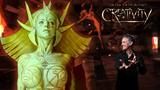
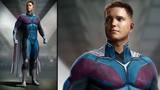
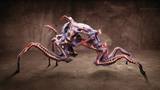





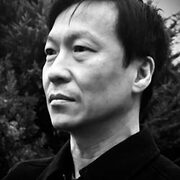








Gino Acevedo, Creative Art Director at Weta Digital, shares his personal approach to “hand-painting” creature designs in Photoshop. Widely known in the industry for his special FX airbrushing techniques on blockbuster movie prosthetics and puppets, Gino reveals how he now uses traditional-inspired techniques — similar to those used on silicone models — to achieve the ultimate translucent skin for convincing creature designs.
Starting in Photoshop, the workshop begins with an introduction to the color palette Gino uses for painting flesh tones. He also explains the importance of his selections and what they’re used for when building up realistic skin tones. His lecture then moves into ZBrush for two chapters, allowing you to follow along as he sculpts his very own creature concept from scratch. Starting with a basic skull, he builds out a demon-like design while showing the timelapse of his complete sculpting process, with tips, tricks, favorite tools, and industry insights given along the way.
After rendering in KeyShot, the final render is taken back into Photoshop for the final painting work. Beginning with the ear as his starting point, Gino demonstrates how to effectively paint the many layers of translucent skin, using the previously established color palette. Paying close attention to details, the workshop showcases how to paint realistic freckles, veins, mottling effects, and much more. The final segment of the workshop covers the painting of the full creature head for a final illustration.
6 Lessons
This workshop introduction establishes Gino Acevedo's credibility as a veteran practical effects artist transitioning traditional techniques to digital work. His emphasis on hand-painting digital models reflects decades of hands-on experience with physical prosthetics and makeup. The workshop promises to share time-tested methods from a 30-year career working on iconic film projects with industry pioneers.
Duration: 4m 51s

Gino demonstrates that successful skin tone painting relies on a methodically constructed color palette built from a single base flesh tone. By systematically adding reds, yellows, browns, and blues while maintaining clear relationships to the original base color, artists can create realistic, translucent-looking skin with proper depth. This approach ensures color harmony while providing the full range of tones needed for lifelike effects.
Duration: 2m 7s

In this lesson, Gino outlines how successful digital sculpting combines technical skill with artistic intuition and a willingness to learn from mistakes. His approach of diving in without extensive pre-planning, while continuously evaluating the work from multiple angles and referencing real anatomy, shows that digital mastery comes through practice. Gino emphasizes that studying real-world reference materials reinforces that even novices can create compelling creature designs by combining observation and persistent refinement.
Duration: 21m 37s

This lesson showcases a professional creature design workflow that balances technical sculpting skills with artistic decision-making. Gino highlights that successful design isn't just about tools but also about knowing when to switch between software programs, how to prioritize visual hierarchy, and when to solve problems creatively.
Duration: 22m 23s

This lesson establishes that achieving photorealistic skin in digital art requires a thoughtful, layered approach that mimics actual anatomy. By strategically building up colors at varying levels of transparency to preserve detail, Gino creates convincing depth that makes veins and underlying structures appear to exist beneath the surface. The meticulous hand-painting approach produces natural-looking results that avoid the repetitive, artificial quality often caused by overused texture brushes, ultimately creating a highly realistic final result.
Duration: 17m 32s

In the final workshop lesson, Gino shows how techniques used in painting physical silicone busts translate directly to digital work, reinforcing the importance of understanding light behavior, color layering, and anatomical form. Artists will learn a structured approach to building translucency through multiple color layers, creating remarkably realistic organic textures that feel alive.
Duration: 43m 3s

Primary tools
For this workshop you’ll need:
Skills Covered
Who’s this Workshop for?
This workshop is crafted for intermediate to advanced digital artists, concept designers, and VFX professionals who want to elevate their realistic creature design skills. Artists who are familiar with Photoshop and ZBrush basics will benefit most from Gino Acevedo's industry-standard methods.
Character artists, prosthetic designers, and entertainment industry professionals who are also seeking to enhance their creature development skills will find tremendous value in this workshop. The lessons bridge traditional airbrushing methods with digital workflows, making it invaluable for artists transitioning between mediums or looking to add authentic skin rendering techniques to their skillset.
Learning Outcomes
Once this workshop has been completed, artists will have mastered professional-level creature design workflows from initial sculpting through final painted illustration using industry-standard techniques.
Key skills include:
- How to select and apply specialized color palettes for realistic flesh tone rendering.
- How to sculpt detailed creature concepts from basic forms using efficient ZBrush workflows.
- How to render sculpted models effectively in KeyShot for painting preparation.
- How to paint translucent skin layers using traditional-inspired digital airbrushing techniques.
- How to create convincing surface details including freckles, veins, and skin mottling effects.
- How to integrate multiple software applications for seamless creature design production pipelines.


