
 Maya
Maya ZBrush
 Houdini
 Unreal Engine
 Substance Painter
 Blender
 Nuke
Nuke Arnold
 KeyShot
 V-Ray
V-Ray Substance Designer
 Mari
Mari Marvelous Designer
 Marmoset Toolbag
 3ds Max
 3DCoat
 Redshift
 After Effects
 Faceform Wrap
 Lightroom
 OctaneRender
 SpeedTree
 Daz 3D
 Agisoft Metashape
 Fusion
 Modo
Modo RealityCapture
 Gaea
Gaea Cinema 4D
 Gravity Sketch
 Premiere
 Procreate
 Substance 3D Modeler
 Katana
 Mudbox
 Krita
Krita World Creator
 Yeti
Yeti Ziva VFX
 SketchBook
 Quixel DDO
 Mixamo
 Natron
 Quixel Bridge
 Quixel Megascans
 Adobe Medium
 Quixel Mixer
 SynthEyes
 Clip Studio Paint
 SketchUp
 Unity
Unity Gaffer
 Massive
 Materialize
 Ornatrix
 PreForm
 Corel Painter
 Moi 3D
 QuickTime
 Storyboard Pro
 TreeIt
 animBot
 ReCap
ReCap Meshmixer
 DaVinci Resolve
 World Machine
 xNormal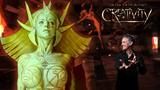




Art Director Abe Taraky shares his process of creating a fully realized illustrative concept image that leans on foundational drawing and design philosophy. In this 2-hour workshop, Abe walks through the process of building up an idea from the initial sketch through to a defined and dimensional artwork. Throughout the tutorial, he shares his practical techniques to show you how to work with his specific style and also details his thought processes along the way.
Abe’s process of creating illustrative concept designs leans on foundational drawing and design philosophy. Initially, Abe covers different reference-gathering techniques, utilizing PureRef for his reference organization. He then shows how to utilize foundational drawing techniques to layer on form and add dimension while elevating the design through various rendering techniques.
For artists looking to develop their drawing and design skills, this title guides you on how a very loose idea can be taken through to a polished illustrative concept while using efficient tools and techniques to save time as you create artwork.
6 Lessons
Abe Taraky begins his workshop with PureRef, a proven essential workflow tool for visual artists and creatives who need to organize and access reference materials efficiently. Abe emphasizes that having organized visual references readily available can significantly improve focus and consistency when working on creative projects. His simple organizational step of assembling references before beginning work is a valuable practice for maintaining artistic direction and inspiration throughout the creative process.
Duration: 45s

This lesson demonstrates a professional approach to concept art that prioritizes visual appeal and strong fundamental design principles over technical complexity. Abe's method of building from simple, appealing shapes to more complex creature designs while maintaining gestural energy throughout the process provides a solid framework for developing engaging fantasy illustrations. His emphasis on commitment, simplicity in tools, and working from broad strokes to refined details offers valuable insights for artists looking to improve their concept development workflow.
Duration: 39m 1s

This lesson emphasizes the importance of building a solid foundation through value relationships and dimensional forms before moving into detailed refinement. Abe’s approach of working broadly across the entire composition while maintaining flexibility for design changes demonstrates how to effectively develop complex illustrations. The key takeaway is that successful digital art relies on traditional art fundamentals combined with smart digital workflow practices that preserve creative flow and decision-making flexibility.
Duration: 39m 41s

This lesson demonstrates how to effectively enhance an illustration by thoughtfully incorporating environmental elements that support rather than compete with the main subject matter. Abe emphasizes the importance of maintaining compositional hierarchy while using organic elements, such as stylized trees, as opportunities for creative expression. His graphic, illustrative approach allows for flexibility and inventiveness while maintaining clean readability and a strong visual impact.
Duration: 17m 10s

This detailing phase demonstrates the importance of restraint and strategic thinking in illustration. Abe successfully adds environmental storytelling elements and atmospheric details while maintaining visual hierarchy through distance-based line work. His careful balance between adding interest and avoiding overworking the piece sets up the illustration effectively for the final compositing phase, where color and emphasis decisions will bring the fantasy scene to life.
Duration: 14m 5s

Abe's final lesson emphasizes that successful digital art compositing requires both technical skill and flexibility in creative problem-solving. He advocates for pushing beyond comfort zones and formulaic approaches, demonstrating how thoughtful layering, attention to foreground details, and strategic use of atmospheric effects can elevate an artwork from good to compelling. His non-destructive workflow allows continuous refinement while enabling broad changes throughout the creative process.
Duration: 22m 24s

Primary tools
For this workshop you’ll need:

* Note that these programs and materials will not be supplied with the course.
Skills Covered
Who’s this Workshop for?
This workshop is designed for intermediate artists and concept designers who want to strengthen their foundational drawing skills while developing a more polished illustrative style. Art directors, game artists, and visual development professionals will find Abe Taraky's systematic approach particularly valuable.
Beginner artists with basic drawing experience will also benefit significantly from this structured methodology. The workshop provides clear insight into professional-level thinking and efficient workflow techniques that can accelerate artistic development and help artists transition from rough ideas to refined concept artwork.
Learning Outcomes
By completing this workshop, artists will develop a comprehensive understanding of how to transform loose concepts into polished illustrative designs using foundational drawing principles.
Key skills include:
- How to gather and organize visual references effectively using PureRef and similar tools.
- How to apply foundational drawing techniques to build form and dimensional structure systematically.
- How to layer rendering techniques that enhance design while maintaining illustrative clarity and appeal.
- How to develop efficient workflows that save time during the concept development process.
- How to think through design problems using professional art director methodologies and approaches.
- How to elevate rough sketches into polished concept artwork through strategic technique application.


