 Photoshop
 Maya
Maya ZBrush
 Houdini
 Substance Painter
 Blender
 Unreal Engine
 Arnold
 Nuke
Nuke KeyShot
 V-Ray
V-Ray Mari
Mari Marvelous Designer
 Marmoset Toolbag
 Substance Designer
 3ds Max
 3DCoat
 Redshift
 Faceform Wrap
 Lightroom
 After Effects
 OctaneRender
 SpeedTree
 Daz 3D
 Agisoft Metashape
 Fusion
 Modo
Modo RealityCapture
 Gaea
Gaea Cinema 4D
 Gravity Sketch
 Premiere
 Procreate
 Clip Studio Paint
 SketchUp
 SketchBook
 Katana
 Natron
 Mudbox
 Quixel Bridge
 Quixel Megascans
 Quixel Mixer
 Substance 3D Modeler
 World Creator
 Yeti
Yeti Ziva VFX
 Mixamo
 Adobe Medium
 Quixel DDO
 xNormal
 Meshmixer
 Storyboard Pro
 DaVinci Resolve
 TreeIt
 World Machine
 Gaffer
 Corel Painter
 SynthEyes
 Krita
Krita Massive
 Materialize
 Unity
Unity Ornatrix
 PreForm
 Moi 3D
 animBot
 QuickTime
 ReCap
ReCap












4 Lessons
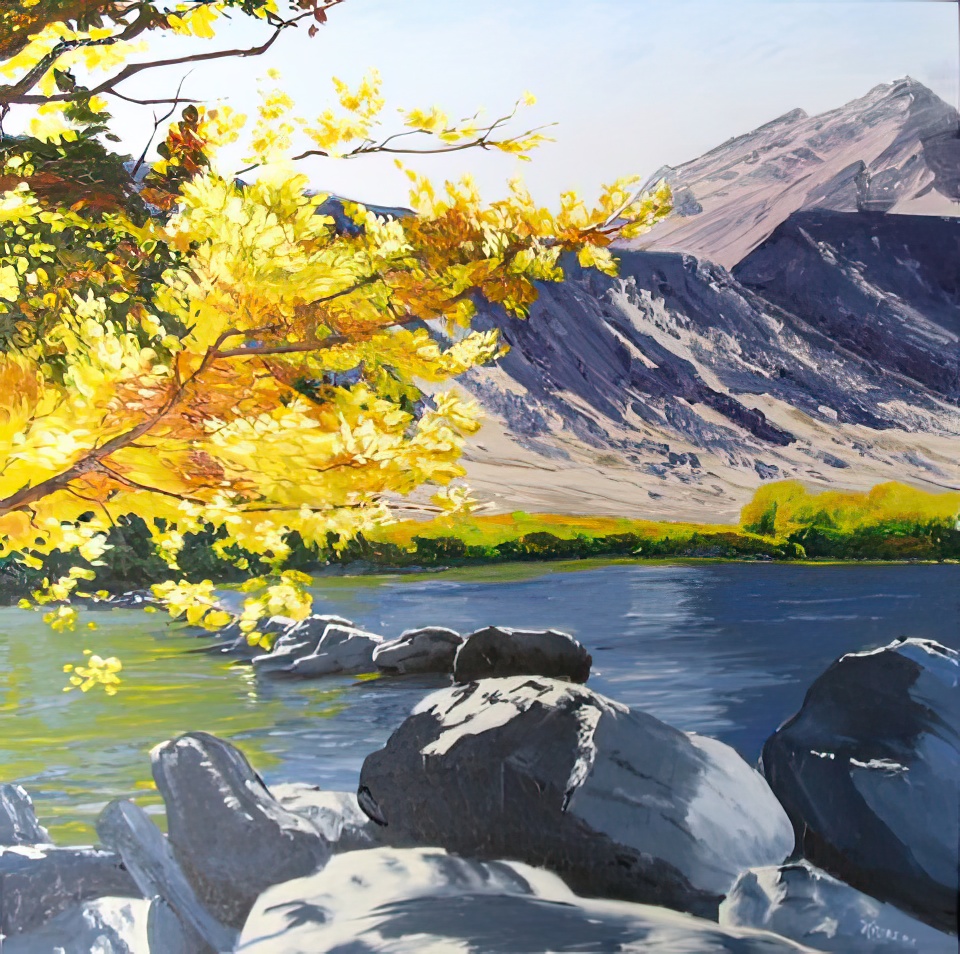
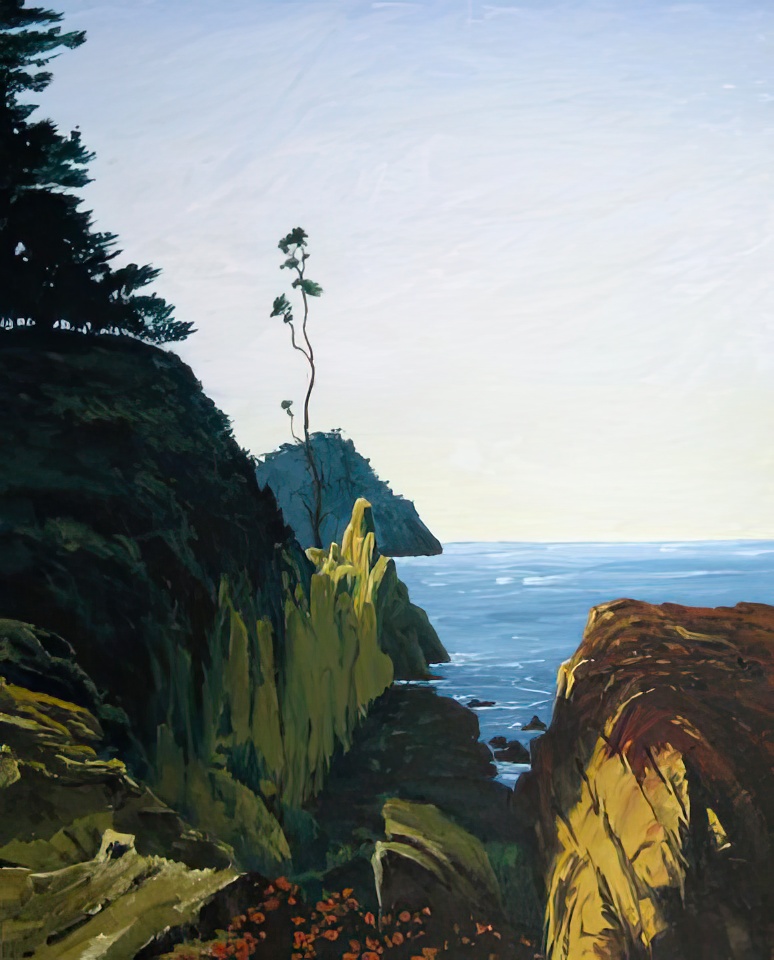
This workshop by Aaron Blaise explains the evolution of color theory. Understanding color requires recognizing it as a complex interaction among light physics, object properties, and human perception, rather than as a simple property of objects. Artists discover that different color systems serve different needs, making it essential to understand both additive and subtractive color models.
Duration: 14m 27s

This lesson explores the three axes of color, value, saturation, and hue, and is essential for artists and designers to communicate visually. Artists learn that while value provides fundamental structure, saturation adds intensity, and hue offers narrative possibility. Aaron shows that by manipulating these independently, one can guide the viewer's attention and tell compelling visual stories as the masters have done.
Duration: 27m 5s

Color harmonies provide essential tools for analyzing and creating visual art, though these systematic categories are relatively modern concepts that don't represent how all historical artists worked. Aaron emphasizes that successful color harmony often depends on dominance rather than using all colors equally.
Duration: 34m 55s

In this final lesson, Aaron stresses that understanding color contrasts rather than merely color harmonies provides artists with practical compositional tools for creating effective paintings. Artists learn that color relationships are contextual and that value contrast remains the foundation for all other interactions.
Duration: 42m 52s

Skills Covered
Who’s this Workshop for?
This workshop is ideal for artists and visual creators who want a deeper, conceptual grasp of color beyond basic definitions. It suits intermediate practitioners in traditional and digital media, including painters, illustrators, graphic designers, and concept artists — who are ready to strengthen the theoretical foundations that inform effective color use. Through Richard Keyes’s historical and visual exploration of color systems, artists will gain insight into how hue, value, saturation, harmonies, and contrasts operate in practice and how these elements influence composition and visual impact. The lecture also benefits art students and professionals seeking to avoid common misconceptions about color and build stronger visual communication skills.
Learning Outcomes
By completing this workshop, artists will:
- Understand historical and practical frameworks for defining and organizing color, including additive and subtractive systems and the role of metaphorical color wheels in artistic practice.
- Use the fundamental vocabulary of color: hue, value, and saturation with confidence by recognizing how these attributes interact and influence perception.
- Identify and apply principles of color harmony that support compelling palettes and balance in compositions.
- Recognize types of color contrast and how they shape visual emphasis in artworks.
- Analyze historical and contemporary paintings to see how successful color choices enhance narrative and form.
- Avoid common color theory pitfalls by understanding traps and misconceptions that can undermine artistic intention.
- Build a personal approach to color that supports intentional decision-making across both representational and expressive work.