
 Photoshop
 Maya
Maya ZBrush
 Houdini
 Substance Painter
 Blender
 Unreal Engine
 Arnold
 Nuke
Nuke KeyShot
 V-Ray
V-Ray Marvelous Designer
 Marmoset Toolbag
 Mari
Mari Substance Designer
 3ds Max
 Redshift
 3DCoat
 After Effects
 Faceform Wrap
 Lightroom
 OctaneRender
 SpeedTree
 Daz 3D
 Modo
Modo Fusion
 RealityCapture
 Agisoft Metashape
 Gaea
Gaea Cinema 4D
 Gravity Sketch
 Premiere
 Procreate
 Clip Studio Paint
 SketchUp
 SketchBook
 Katana
 Natron
 Mudbox
 Quixel Bridge
 Quixel Megascans
 Quixel Mixer
 Substance 3D Modeler
 World Creator
 Yeti
Yeti Ziva VFX
 Mixamo
 Adobe Medium
 Quixel DDO
 xNormal
 Meshmixer
 Storyboard Pro
 DaVinci Resolve
 TreeIt
 World Machine
 Gaffer
 Corel Painter
 SynthEyes
 Krita
Krita Massive
 Materialize
 Unity
Unity Ornatrix
 PreForm
 Moi 3D
 animBot
 QuickTime
 ReCap
ReCap
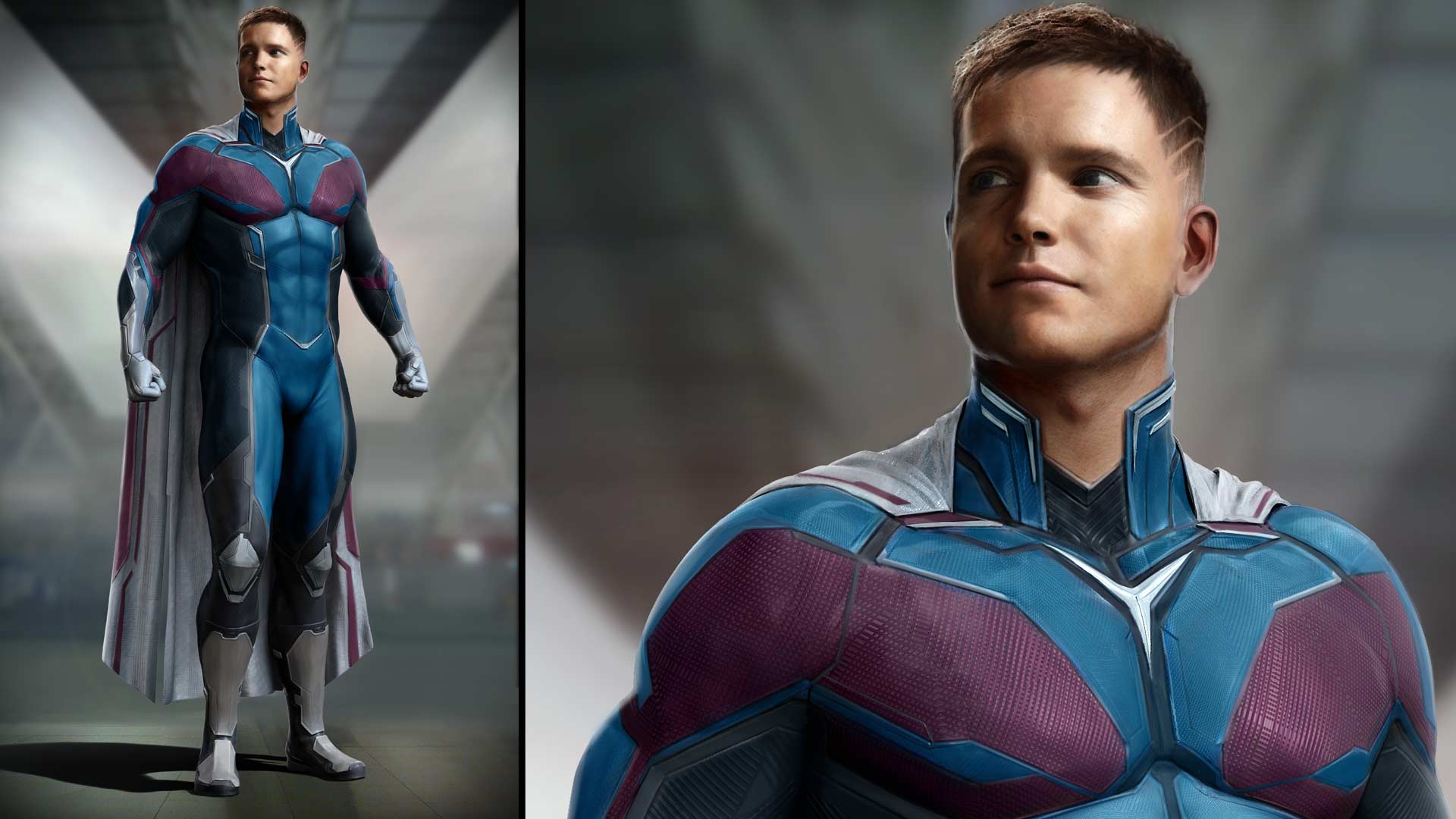
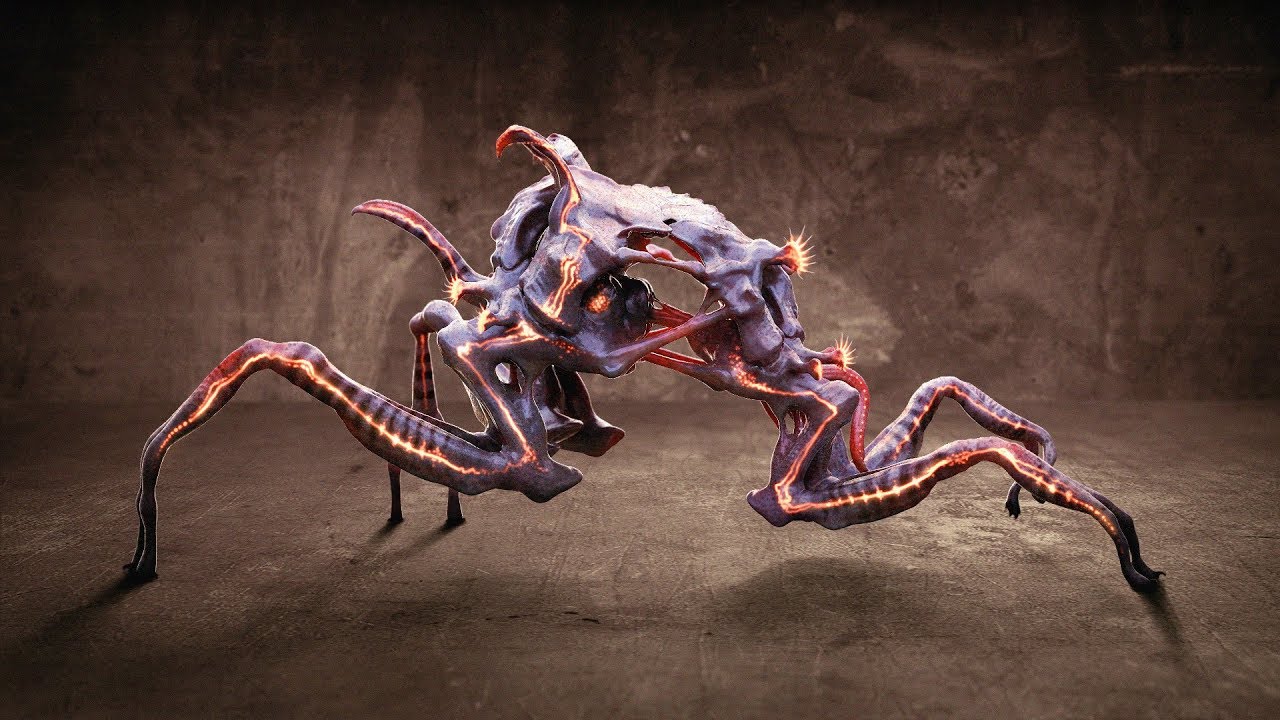
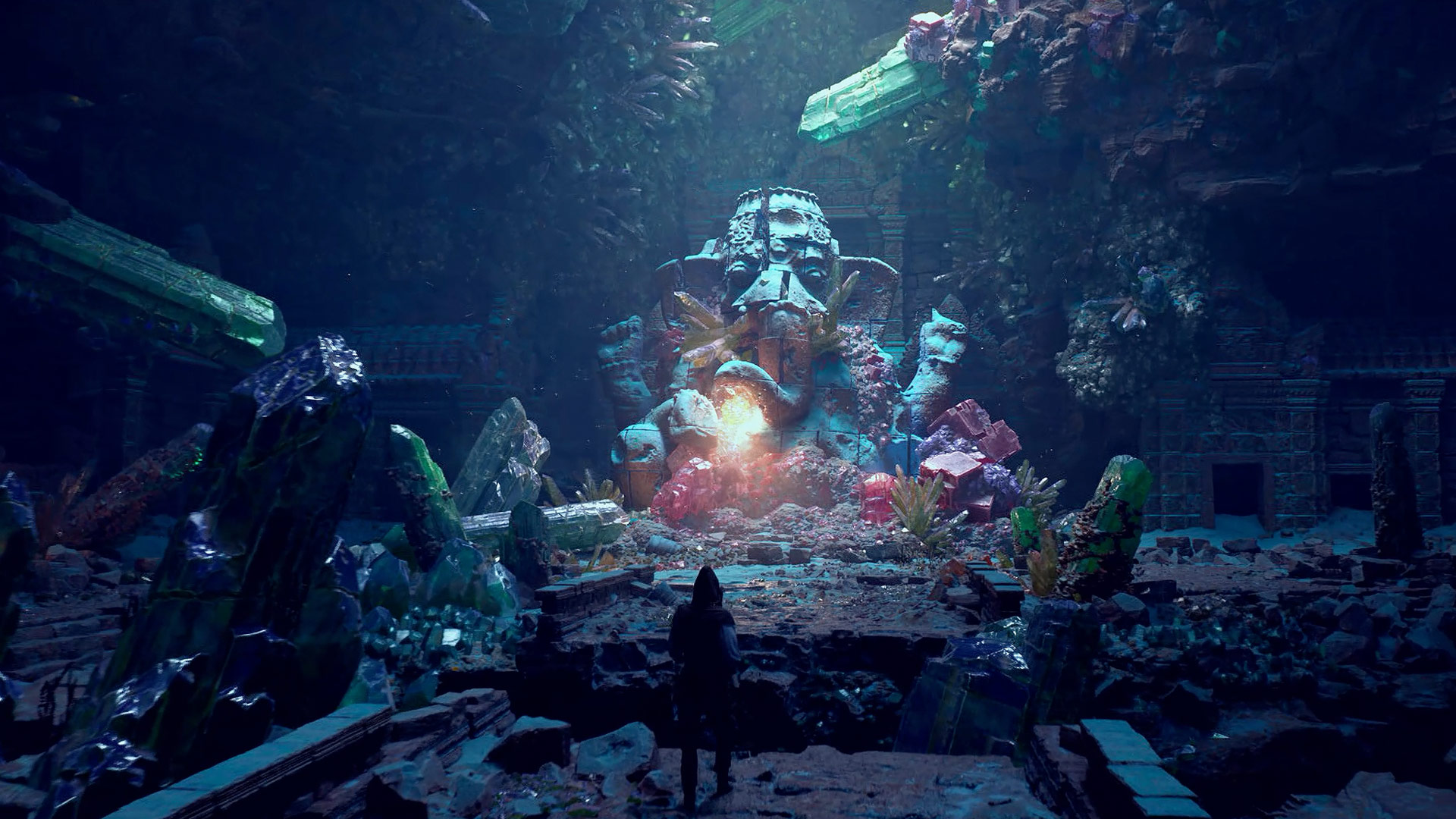
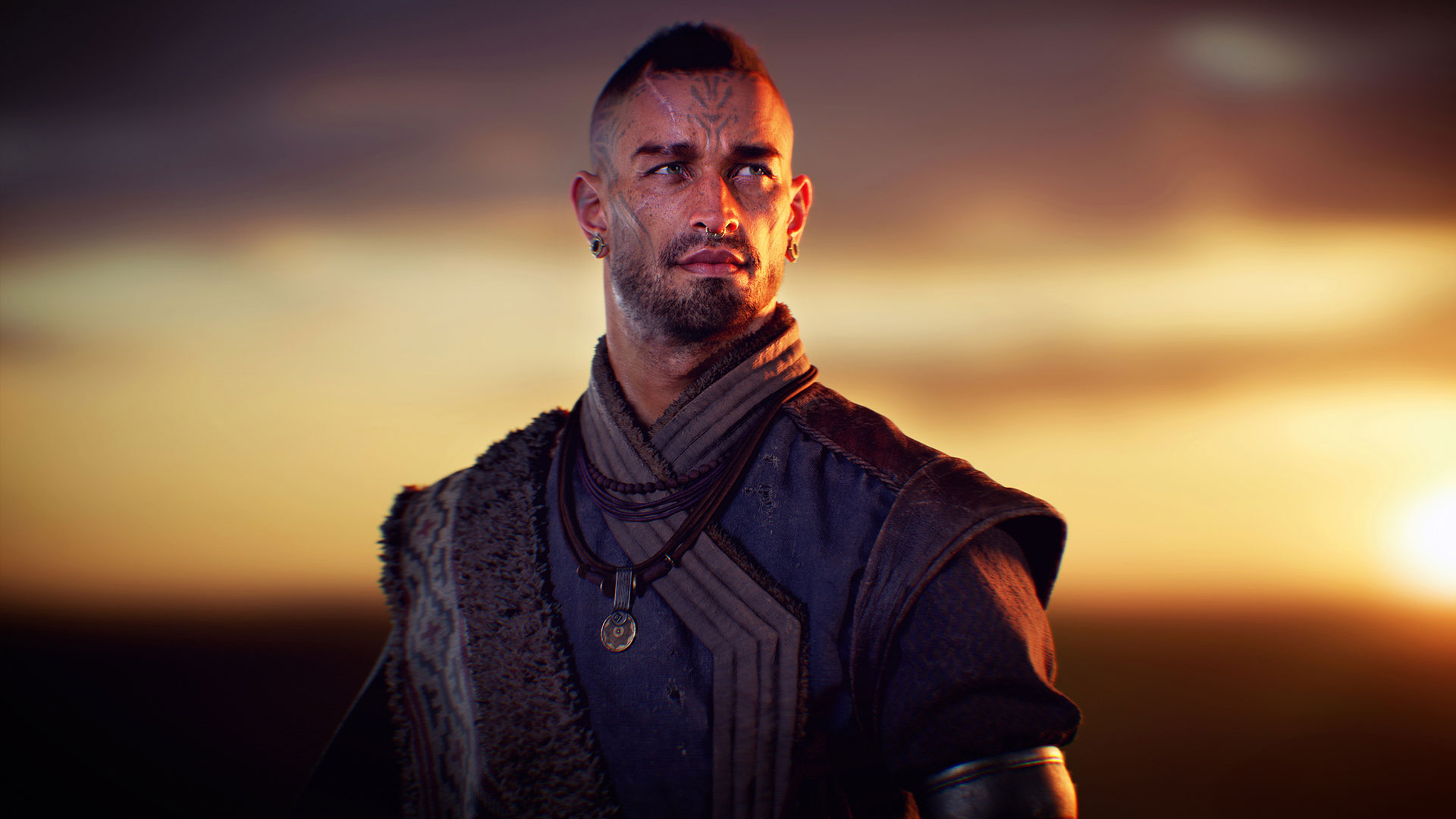
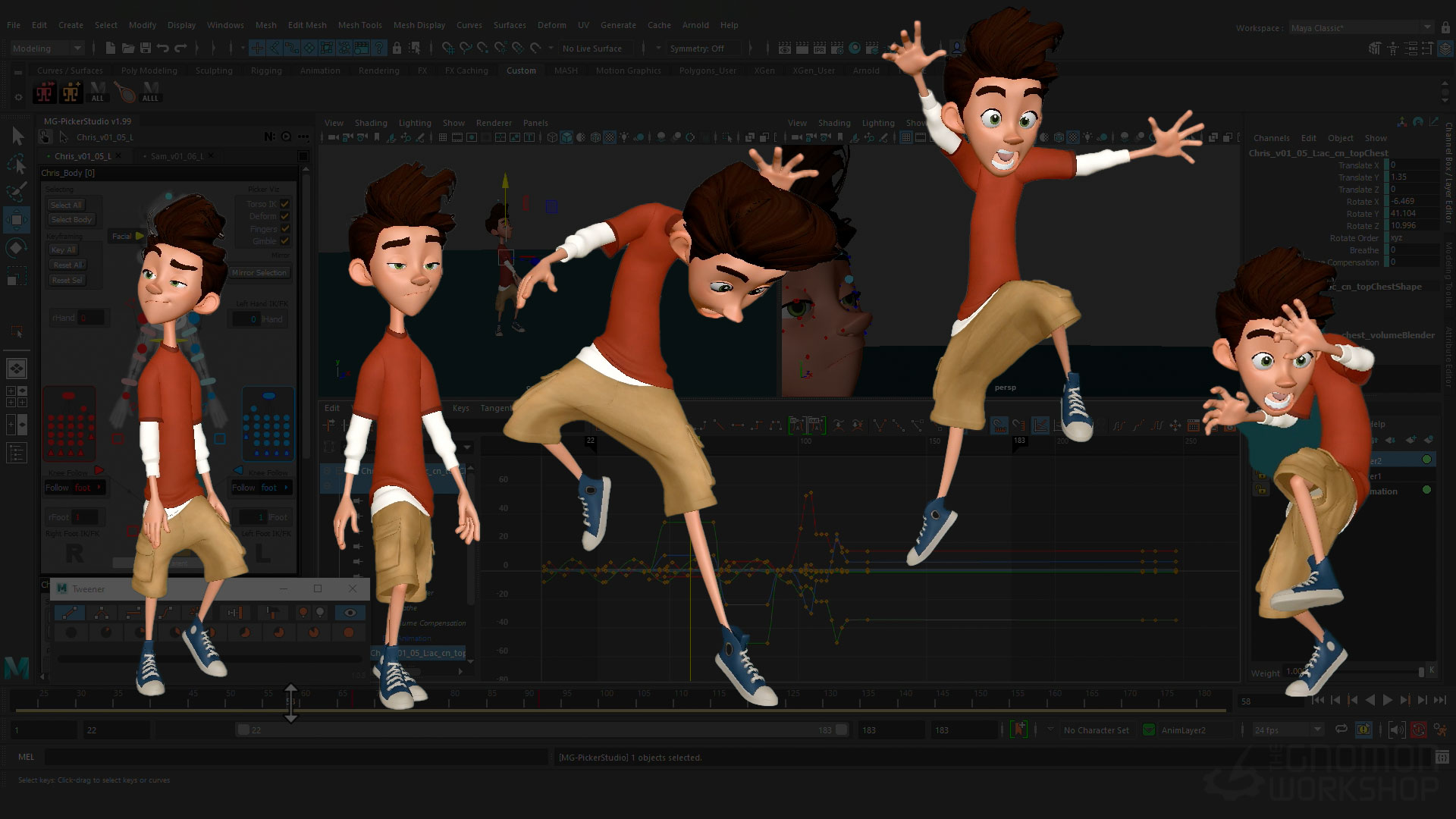











Learn how to build a complete character for animation with clean topology. Being a modeler in the animation industry puts you in a flexible position but also demands a lot of you, both artistically and technically. In this 2-hour workshop by João Victor, who has contributed to movies including Pixar’s Inside Out 2, he demonstrates the technical side of character modeling for animation, including the very important topological solutions needed to ensure clean models that correctly deform when animated.
This comprehensive workshop begins with the basics and works through to more advanced techniques using Maya and ZBrush. For João, topological tasks are like challenging games; artists need to create unique solutions for different characters to create meshes that are as efficient as possible. The work done by modelers is critical for the success of characters as they move through the animation pipeline to be used by various departments. João not only discusses the important topology concepts that professional modeling teams consider when preparing meshes for other departments in a studio environment but also provides professional tips and tricks for you to take with you into your personal and studio projects alike.
16 Lessons
João Victor begins his workshop with an opening lesson on proper loop direction, explaining why it is a fundamental principle in 3D character modeling that impacts nearly every stage of the production pipeline. By maintaining perpendicular and parallel edge flow relative to the character's forms, artists can learn how to achieve better renders, cleaner deformations, easier rigging, and more efficient polygon usage. Avoiding diagonal topology may seem like a basic rule, but it's essential for professional-quality results and efficient workflows.
Duration: 6m 14s

João demonstrates why it's so important to work at the lowest polygon count to achieve your desired result. Unnecessary polygons don't improve quality but significantly increase difficulty across all production stages, from modeling and rigging to rendering. By learning to maintain disciplined poly counts, artists will save considerable time, produce cleaner meshes, and ensure better performance throughout the 3D production pipeline.
Duration: 13m 40s

Topology consistency is a fundamental principle that directly impacts workflow efficiency across modeling, rigging, and texturing stages. João's primary goal is to create predictable, logical edge flow with minimal pole interruptions, which enables faster editing, easier UV unwrapping, and better asset reusability. While achieving perfect consistency isn't always possible due to form and function requirements, understanding these principles helps artists make informed decisions that balance efficiency with quality.
Duration: 4m 41s

Universal meshes are powerful time-saving tools in character production pipelines, but they're not universally applicable. The key is understanding when proportional differences between characters are too great to justify using shared topology. In such cases, the problems created — from stretched geometry to difficult-to-reuse blend shapes — mean that starting fresh may actually be more efficient than trying to adapt an incompatible base mesh.
Duration: 2m 3s

Proper vertex topology is crucial for creating characters that deform well during animation. João's strategic use of three-, four-, and five-edge vertices allows modelers to control edge flow while maintaining smooth deformation, with poles serving as tools for redirecting topology as needed. Understanding where and when to place different vertex types, particularly keeping poles away from high-deformation areas, is essential for creating clean, animation-ready character models.
Duration: 1m 41s

While four-sided polygons represent the gold standard for animation-ready topology due to their compatibility with smoothing algorithms and ease of component selection, strategic use of triangles and n-gons is acceptable in areas that won't deform or be prominently visible. Understanding when and where to deviate from an all-quad topology is a crucial skill for 3D artists working in animation production, as it helps them balance technical requirements with practical efficiency.
Duration: 3m

João explains why proper polygon proportions are essential for efficient 3D character modeling workflows. While procedural texturing offers flexibility in polygon shapes, hand-painted approaches demand well-proportioned, evenly distributed polygons to maintain manageable file sizes and painting efficiency. Understanding how your mesh will deform and be textured should guide topology decisions from the beginning, with edge loops strategically placed only where they serve functional purposes for movement or shape definition.
Duration: 3m 58s

Effective topology editing requires strategic planning and understanding of geometric principles rather than randomly cutting meshes. The key is to minimize disruption to existing topology while achieving the desired anatomical shapes and ensuring proper deformation. By following systematic approaches to problem-solving, particularly when dealing with triangles and vertex connections, 3D artists can learn how to maintain clean, efficient topology that serves both aesthetic and functional requirements.
Duration: 10m 25s

The placement of mouth poles in character topology requires careful analysis and planning based on the specific expressions needed for animation. There is no one-size-fits-all solution; modelers must balance maintaining proper shape with achieving clean deformation across various facial movements. João explains why it's important to thoroughly consider the character's range of expressions during the planning phase to determine an optimal pole-placement strategy.
Duration: 3m 13s

The Reconstructible Mesh Pipeline offers significant efficiency gains for modeling artists working in production environments where design changes are frequent and multiple departments work simultaneously. While it requires careful topology planning with specific loop-count requirements and has some limitations, the ability to work on simplified geometry while preserving all critical technical data makes it invaluable for complex projects. João's technique has been successfully used in real production on characters like Envy from Inside Out 2, demonstrating its practical value in high-level animation workflows.
Duration: 11m 43s

Proper character modeling for animation requires careful attention to topology flow, mesh matching, and pose neutralization. By avoiding spiral loops, testing deformations early, and delivering clean models with reset transformation values, modelers can significantly reduce retakes and enable rigging and animation departments to work more efficiently. João reveals how the choice between T-pose and A-pose should balance the needs of weight transfer, anatomical accuracy, and the character's typical range of motion.
Duration: 9m 49s

This lesson demonstrates why building clean character topology requires careful planning of edge flow and strategic placement of pole vertices at anatomical landmarks. João's poly-by-poly method, while time-intensive, provides maximum control over topology consistency and edge loop placement, which is essential for achieving proper deformation during character animation. Maintaining constant edge counts and creating expansion channels ensures the mesh remains flexible for future refinement.
Duration: 22m 33s

Proper facial topology is fundamental to creating characters that deform naturally during animation and expression work. João teaches using orbital loops around areas of complex deformation (eyes, mouth) while maintaining clean geometry that supports both modeling and rigging workflows. By following these established approaches and understanding the reasoning behind each topological choice, modelers can learn how to create efficient, production-ready character faces that perform well throughout the animation pipeline.
Duration: 7m 28s

Efficient topology is fundamentally about planning for flexibility and future modifications. By strategically placing cyclical ring channels that terminate at symmetry lines, 3D artists can learn how to create meshes that accommodate design changes and enhanced deformations without requiring complete rework. João's forward-thinking approach is especially critical for facial topology, where complex expressions and frequent design iterations demand maximum editability while maintaining clean geometry throughout the production pipeline.
Duration: 4m 57s

Proper topology is essential for creating cartoon characters that deform naturally during animation. By strategically placing edge loops and poles at key anatomical areas, especially the shoulders, joints, and extremities, artists can learn how to ensure smooth deformations even on simplified character designs. João's foundational approach to edge flow creates a robust mesh structure that performs well during the rigging and animation phases.
Duration: 3m 9s

João's final Maya-modeling techniques are essential for creating production-ready character models with proper symmetry and clean topology. Mastering symmetry workflows ensures efficient collaboration across departments, while techniques such as V-wrinkles and edge constraints allow artists to maintain low polygon counts while achieving detailed shapes. These professional practices help support models that are easier to rig, skin, and animate in the production pipeline.
Duration: 7m 23s

Primary tools
For this workshop you’ll need:


Project Files
With this workshop, you will gain access to João Victor's project file. Inside, you'll find:
- 3D model (.obj) – A topologized character model for artists to study
Skills Covered
Who’s this Workshop for?
This workshop is intended for 3D artists who want to build a strong foundation in topology, with a focus on animated characters. It is well-suited for artists with basic experience in Maya and ZBrush who want to understand how professional topology supports clean deformation, efficiency, and long-term use in animation pipelines.
Character modelers aiming to work in animation studios, as well as technical artists and animators who want deeper insight into modeling decisions, will benefit from the production-focused perspective. Artists interested in how modeling choices affect rigging, animation, and downstream departments will gain practical knowledge that translates directly to studio environments.
Learning Outcomes
By completing this workshop, artists will gain a clear understanding of how to construct animation-ready topology that meets professional production standards.
Key skills include:
- How to design clean, deformation-friendly topology for animated characters.
- How to approach topology as a problem-solving process tailored to each character.
- How to balance artistic form with technical constraints in animation modeling.
- How to use Maya and ZBrush together effectively for character topology workflows.
- How to identify and resolve common topological issues that impact animation quality.
- How to prepare character meshes for smooth integration into animation studio pipelines.
- How to think strategically about mesh efficiency and structure for production use.


